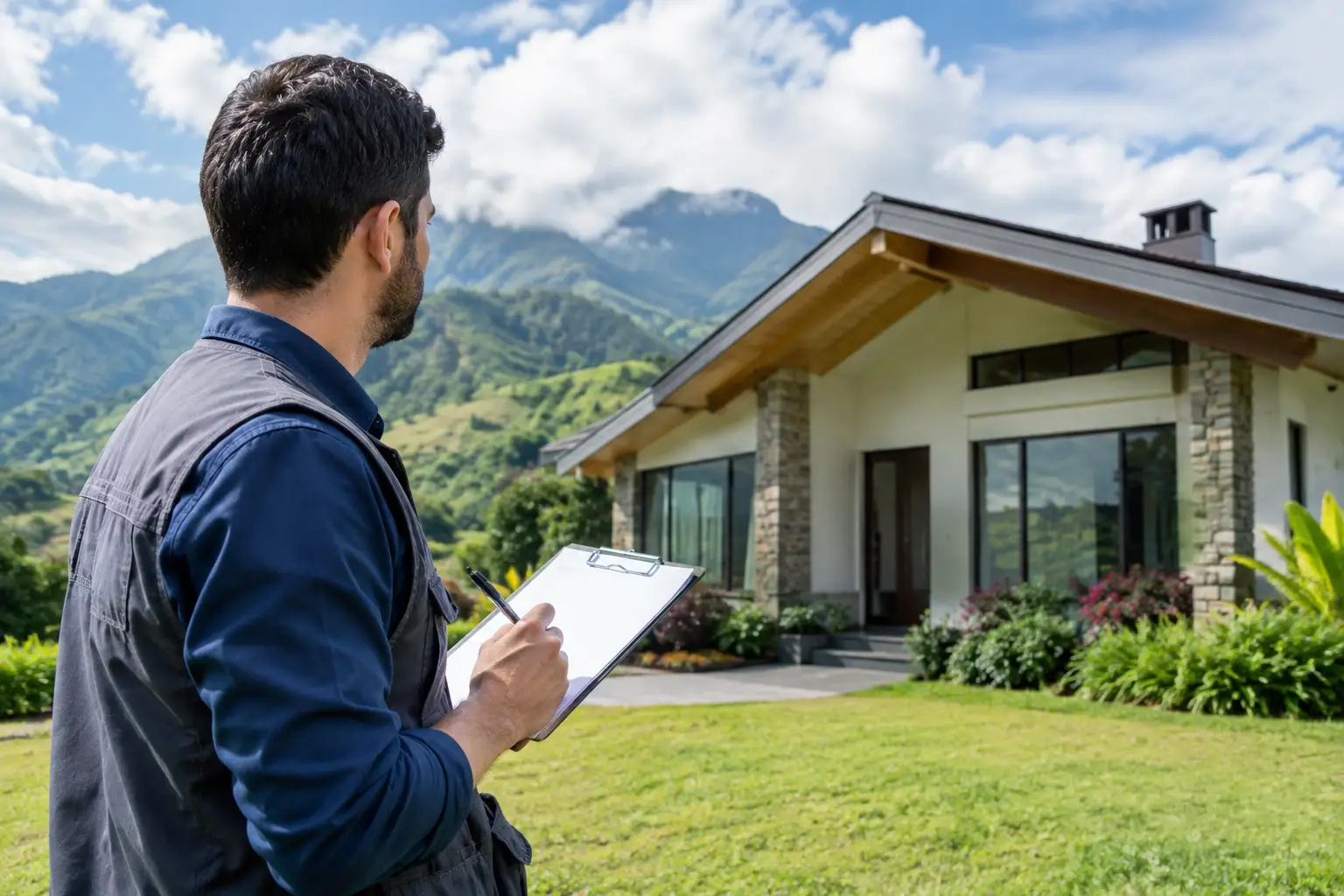
A beautiful view, cool mountain air, and a well-presented home can make it easy to fall in love with Boquete property. But Boquete home inspections are where a buyer turns enthusiasm into an informed decision. In a mountain market shaped by rainfall, changing elevations, and a mix of construction styles, a careful inspection can reveal conditions that are not obvious during a showing.
For international buyers especially, an inspection is not a formality. It is a practical part of due diligence that helps you understand the home you are buying, the likely maintenance ahead, and the questions that should be resolved before closing. The goal is not to find a perfect property. Every home has a maintenance story. The goal is to know that story before the property becomes yours.
Why Boquete Homes Need a Local Inspection Perspective
Boquete is not one uniform market. A home near the town center may have very different conditions from a property in Alto Boquete, Jaramillo, Volcancito, Caldera, or a higher-elevation area with cooler temperatures and heavier mist. Construction age, road access, slope, water source, and exposure to wind and rain can all affect what an inspector needs to evaluate.
Moisture is one of the most common considerations. Boquete’s green landscape exists for a reason: the area receives significant rainfall. A home may look dry and well maintained during the dry season while showing signs of drainage challenges, roof leaks, mold, or water intrusion when weather patterns change. Inspectors should look beyond a freshly painted wall and assess ceilings, exterior finishes, window seals, crawl spaces, retaining walls, and the grading around the home.
Local experience matters because a condition that is manageable in one location may be more significant on a steep lot or in a high-rainfall microclimate. For example, surface water running toward a home may be a relatively simple drainage correction, or it may point to a larger issue involving gutters, site grading, retaining structures, or a neighboring property’s runoff.
What Boquete Home Inspections Should Cover
A professional inspection should provide a systematic view of the home’s condition, with clear findings, photographs where appropriate, and recommendations for further evaluation when a specialist is needed. The exact scope depends on the property, but buyers should expect attention to the major systems and site conditions that affect safety, livability, and ownership costs.
Roof, Ceilings, and Rainwater Management
Roof condition deserves close attention in Boquete. Ask about the age and material of the roof, visible repairs, flashing around penetrations, gutter condition, downspout placement, and signs of past leakage inside the home. Metal roofing is common and can perform well, but its condition depends on installation quality, maintenance, fasteners, corrosion exposure, and drainage design.
A roof inspection should also consider how water leaves the property. Clogged gutters, short downspouts, and poor drainage near foundations can create avoidable problems over time. On hillside lots, rainwater management is not a cosmetic detail. It is part of protecting the structure and the land around it.
Moisture, Mold, and Ventilation
Not every dark mark is mold, and not every musty smell means a major issue. Still, moisture should never be dismissed without a closer look. Bathrooms, laundry areas, kitchens, storage rooms, roof spaces, and lower-level walls deserve particular attention.
Good ventilation, working exhaust fans, properly sealed windows, and appropriate exterior drainage help a home manage Boquete’s humid periods. If an inspector identifies evidence of active moisture, buyers may need additional assessment from a qualified contractor or mold professional. The right response depends on the source. A small plumbing leak calls for a different solution than ongoing water penetration from the exterior.
Electrical and Plumbing Systems
International buyers should not assume the electrical and plumbing setup will match what they are used to in the United States. Homes can vary widely depending on when they were built, who completed the work, and whether later additions were professionally integrated.
An inspection should review the electrical panel, visible wiring, outlets, grounding, breaker labeling, and signs of overloaded or improvised connections. It should also examine accessible plumbing lines, water pressure, drainage, water heaters, fixtures, and visible leaks. If the property includes a well, water storage tank, pump, filtration system, septic system, or treatment equipment, those items require specific questions and may need separate specialist testing.
Do not rely only on a seller’s statement that systems are functioning. Turn on faucets, flush toilets, test fixtures, and ask how the water system performs during dry periods, heavy rain, and power interruptions.
Foundations, Retaining Walls, and the Lot
The land can be as important as the house. Boquete’s slopes and scenic terrain create exceptional views, but they also make drainage, erosion, access, and retaining structures central due diligence items.
Inspectors should note cracks, settlement indicators, standing water, drainage channels, soil movement, and the condition of retaining walls. A minor surface crack may be normal settling. A crack combined with movement, water pressure, or a leaning wall deserves further investigation. It depends on the property’s age, construction, terrain, and whether the condition appears active.
Buyers should also walk the property after considering how it will function in real life. Is the driveway manageable during rain? Are there steps, slopes, or access points that may be difficult for aging owners, tenants, or service providers? Is there enough space for parking, deliveries, landscaping equipment, and water storage? These questions affect both daily enjoyment and resale appeal.
Inspection Is One Part of Due Diligence
A home inspection is essential, but it does not replace legal, title, survey, appraisal, or property-boundary review. In Panama, buyers need a coordinated process that confirms the property’s legal status and aligns the physical condition of the home with the documents, representations, and transaction terms.
For example, an inspection may identify a detached casita, covered terrace, storage building, or pool equipment area. That discovery should lead to follow-up questions: Is the structure included in the sale? Is it reflected accurately in the property documentation? Are utility systems properly allocated between the main home and guest space? The inspection report can help focus these conversations before closing.
This is particularly important for properties marketed as investment homes or rental opportunities. A house that works well for a full-time owner may require upgrades before it is ready for vacation rentals or long-term tenants. Safety items, hot water capacity, internet reliability, drainage, furnishings, backup power, and maintenance access can all influence rental performance.
When to Schedule the Inspection
The best time to schedule an inspection is after your offer is accepted and before contingencies or due diligence deadlines expire. Build enough time into the purchase process to receive the report, review it carefully, ask follow-up questions, obtain contractor estimates if needed, and negotiate where appropriate.
Avoid treating the inspection as a last-minute checkbox. If the report identifies substantial roof work, drainage corrections, electrical upgrades, or structural questions, you need time to decide whether the seller should address the issue, provide a credit, adjust the price, or whether the property no longer fits your plans.
Whenever possible, attend the inspection. If you are outside Panama, arrange a video walkthrough or detailed call with the inspector. A report is valuable, but hearing the inspector explain which items are urgent, which are routine, and which should be monitored gives the findings useful context.
How to Read an Inspection Report Without Overreacting
Inspection reports can feel intimidating because they list defects by design. Even a well-built, well-maintained home will have recommendations. Focus first on health and safety concerns, active water intrusion, major system failures, structural conditions, and issues likely to create meaningful expense in the near term.
Then separate maintenance from negotiation. Replacing worn caulking, servicing an air conditioner, cleaning gutters, or repainting exposed areas may be normal ownership work. A compromised roof, failing retaining wall, unsafe electrical panel, or persistent drainage problem may require a different conversation.
The strongest buyers are neither careless nor alarmed by every note. They gather facts, understand probable costs, and make decisions based on their intended use of the property. A retirement residence, a rental home, a renovation project, and a land purchase with a small existing house each call for a different risk tolerance.
A Better Purchase Decision Starts Before Closing
Buying in Boquete should feel exciting, but confidence comes from asking the right questions before funds are committed. A detailed inspection gives you a clearer picture of the home’s condition, the land’s behavior, and the maintenance required to protect your investment over time.
With local guidance from a professional who understands the Chiriquí market, buyers can connect inspection findings to the larger transaction: price, property documents, contractor access, rental potential, and the realities of owning a home from abroad. Nikolai Candanedo helps clients approach these decisions with the regional insight and personal attention that a major purchase deserves.
The right property is not necessarily the newest or the most polished on showing day. It is the one whose condition, costs, location, and long-term potential match the life or investment you intend to build in Boquete.

Leave a Reply