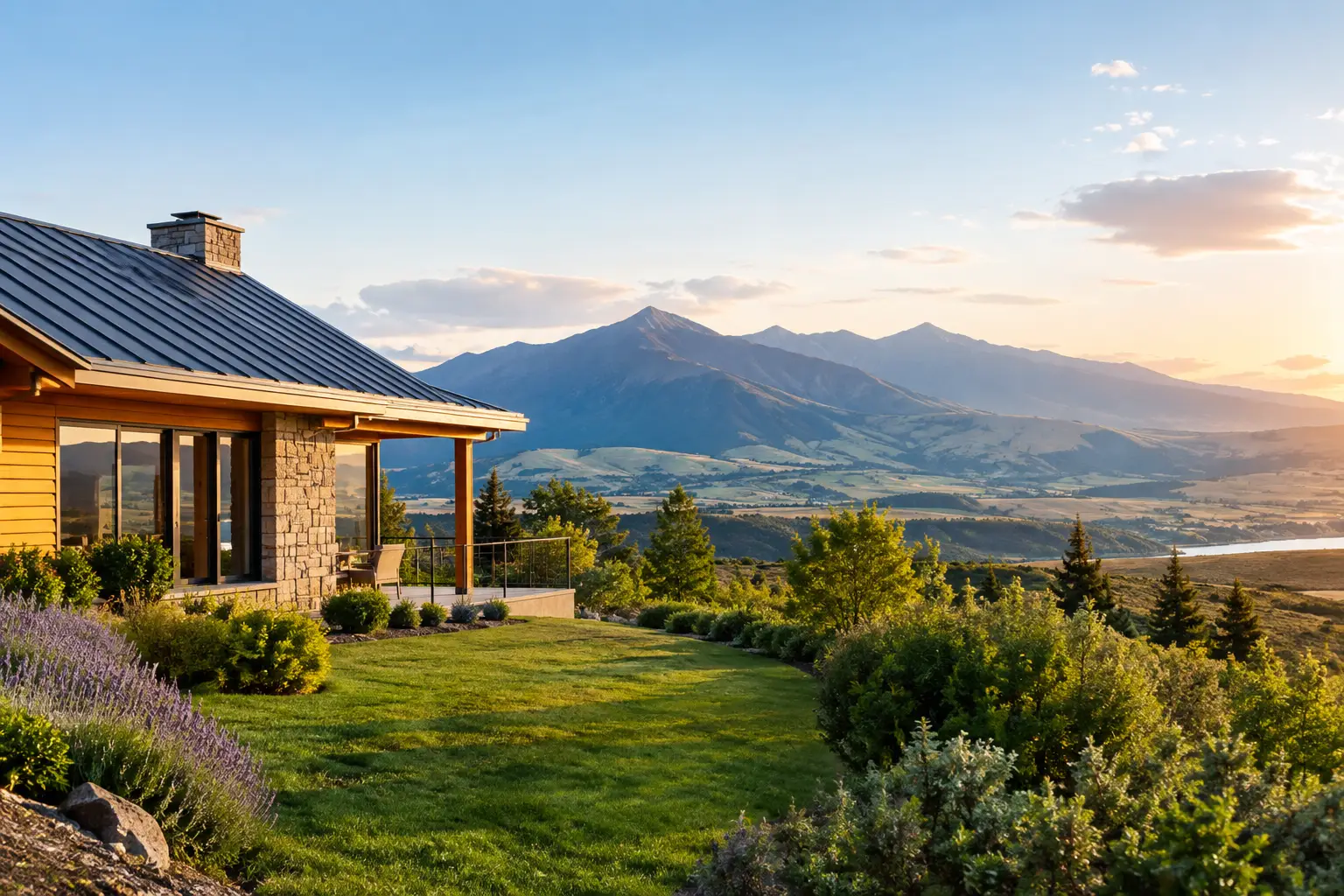
The right Tierras Altas property can offer something increasingly difficult to find in Panama: cool mountain air, productive land, genuine privacy, and a lifestyle still connected to the commercial services of Chiriquí. But this is not a market where a beautiful view alone should make the decision. Elevation, road access, water, title history, terrain, and your intended use can change both the value of a property and the experience of owning it.
For retirees, families, investors, and buyers relocating from the United States, Tierras Altas deserves careful attention. The district has character, agricultural strength, and a climate that feels very different from coastal Panama. It also requires local guidance from someone who understands that each community, access road, and parcel can tell a different story.
Why Tierras Altas Appeals to Serious Buyers
Tierras Altas sits in the highlands of Chiriquí, near the Costa Rican border. Communities such as Volcán, Cerro Punta, Paso Ancho, Guadalupe, and Nueva California each offer a distinct setting, from town convenience to rural farmland and more secluded mountain locations.
The climate is a central reason buyers look here. Higher elevations bring cooler temperatures than David, Boquete, or Panama City, which can make daily living more comfortable for people who prefer crisp mornings and less dependence on air conditioning. The same conditions support agriculture, including vegetables, flowers, coffee in suitable areas, and specialty crops. For buyers who want a garden, a small farm, or land with long-term productive potential, that matters.
There is also a lifestyle component that cannot be measured only by square footage. Tierras Altas feels more rural and more agricultural than many of Panama’s better-known expat destinations. A buyer can find open fields, mountain views, forested edges, and a slower rhythm without being completely isolated from David’s hospitals, shopping, airport, and professional services.
That balance depends on location. A property near Volcán may offer easier access to groceries, restaurants, and everyday necessities. A property farther toward Cerro Punta or Paso Ancho may provide greater privacy and stronger scenery, while asking more from the owner in terms of driving time, road conditions, and maintenance planning.
Tierras Altas Property Is Not One Market
Buyers sometimes speak about Tierras Altas as though it were one uniform market. It is not. The difference between a residential lot near town, a hillside home with seasonal access concerns, and a working agricultural parcel is significant.
A residential buyer may prioritize reliable utilities, internet availability, paved or all-weather road access, and proximity to services. An investor might focus on rental demand, operating costs, zoning considerations, and the ability to manage the property from abroad. A developer will need to look beyond the scenery and study topography, drainage, subdivision potential, infrastructure costs, and the practical market for the finished product.
Land is especially nuanced. Productive soil is valuable, but agricultural potential does not automatically mean that a parcel is appropriate for a home, cabins, or a larger project. The property may have slopes, watercourses, protected areas, easements, or road limitations that affect what can realistically be built. The best opportunity is the one that fits a clear purpose, not simply the one with the lowest asking price per hectare.
Homes and lifestyle properties
Existing homes can offer a faster path to enjoying the area, particularly when the property already has established landscaping, utilities, storage, and a known access route. Yet buyers should evaluate construction quality for the highland environment. Moisture management, roof condition, drainage, retaining walls, and ventilation deserve more attention in a cool, rainy region than they might in a drier climate.
Land and agricultural opportunities
Vacant land gives buyers flexibility, but it can introduce more variables. Before assuming you can build a home or create income-producing improvements, confirm the boundaries, legal access, water source, electrical connection options, and the cost of bringing infrastructure to the site. A parcel that looks close to a main road on a map may still require substantial work to become practical year-round.
The Due Diligence That Protects Your Purchase
Panama offers attractive ownership opportunities for international buyers, but a purchase should always be handled with discipline. The process begins with verifying the property, not with negotiating the price.
Start by confirming the ownership structure and title status through the proper channels. The registered information should align with the seller, the property description, and the parcel being shown on the ground. If the seller is a corporation, the authority to sell must be reviewed carefully. A qualified Panamanian attorney should perform independent legal due diligence and prepare or review the transaction documents.
Physical verification is equally important. Walk the boundaries when possible. Ask how the property is accessed and whether that access is legally documented. Inspect roads after rain if practical, particularly for rural properties. Confirm utility availability rather than relying on a nearby pole or a verbal assurance. Water supply, septic requirements, internet options, and drainage can all affect your budget after closing.
Buyers should also ask direct questions about annual taxes, municipal fees, maintenance, security, and any recurring costs tied to a condominium, private road, or agricultural operation. If rental income is part of the plan, estimate it conservatively. A property may be appealing for short stays, long-term tenants, or agricultural leasing, but each income model has different management needs and demand patterns.
Matching the Purchase to Your Real Goal
A strong purchase begins by deciding what the property needs to do for you. Many buyers arrive with several goals at once: live part of the year in Panama, earn rental income, keep a garden, and preserve future resale value. Those goals can coexist, but they may point to different properties.
For a full-time residence, convenience often wins over maximum acreage. Reliable access, nearby services, manageable maintenance, and a functional layout can matter more than a distant panoramic view. For a seasonal owner, security, caretaker support, and remote oversight may be the deciding factors. For an investor, the focus should be on realistic cash flow after management, repairs, vacancy, and operating expenses – not only projected gross income.
Developers and larger land buyers should take a longer view. Tierras Altas is not a market for forcing a generic project onto the land. The best concepts respect the climate, infrastructure realities, and local buyer profile. Smaller, well-positioned projects can be more sensible than ambitious plans that depend on rapid absorption or expensive infrastructure.
Local Knowledge Changes the Quality of the Decision
Online listings are useful for generating ideas, but they cannot reveal how a road performs in heavy rain, whether a neighborhood is quiet throughout the year, or how a particular location compares with nearby alternatives. Those details come from local market knowledge and time spent in the area.
This is where personalized representation has real value. Nikolai Candanedo brings Chiriquí market experience dating back to 1997, helping clients evaluate not only available properties but also the practical demands of ownership. For an overseas buyer, support may continue beyond the transaction through property management, rental collection coordination, market analysis, and trusted local contacts.
The goal is not to push every buyer toward the largest parcel or the most expensive home. It is to identify the property that supports the life, investment strategy, or development plan you actually have. Sometimes that is a home close to Volcán. Sometimes it is agricultural land with strong water and access. Sometimes the smartest decision is to wait until the right parcel appears.
A Better Way to Start Your Search
Begin with a clear budget that includes closing costs, legal services, inspection needs, improvements, furnishing, and an appropriate reserve for the first year of ownership. Then define your non-negotiables: preferred elevation, road quality, distance to town, acreage, water, internet, and whether the property must generate income.
If possible, visit more than one community and see properties in different weather conditions. Compare a convenient property with a scenic one, a finished home with raw land, and a bargain listing with a well-documented offering. The contrast will quickly clarify where compromises are acceptable and where they are not.
The best Tierras Altas property is rarely the one that makes the loudest first impression. It is the one whose access, paperwork, infrastructure, setting, and long-term purpose all hold up after the excitement of the showing has passed.

Leave a Reply