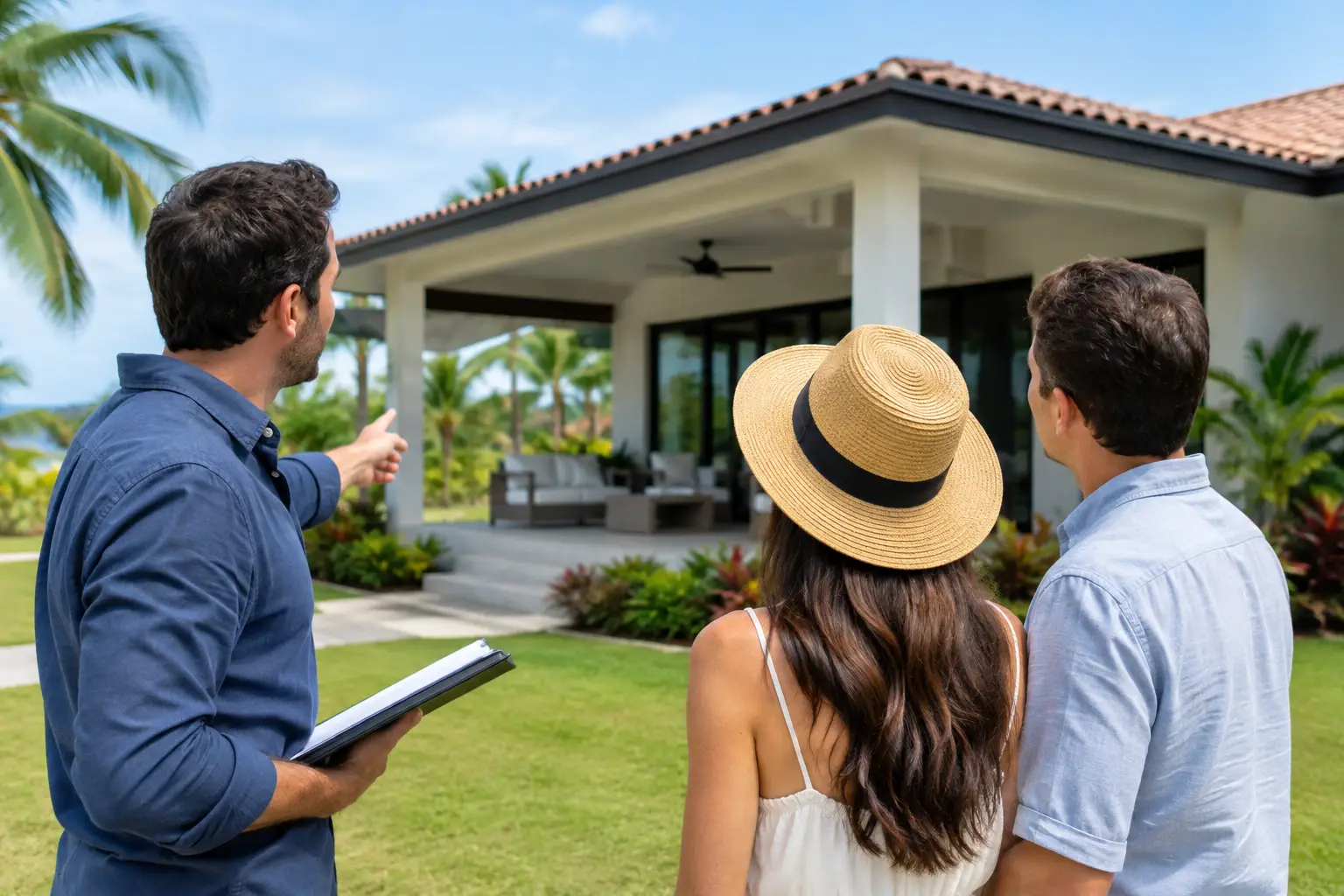
A beautiful view in Boquete, a spacious lot near David, or a coastal home near Puerto Armuelles can make a strong first impression. But knowing how to inspect Panama homes means looking beyond the view, the finishes, and the asking price. In Panama, a smart inspection is not one event on the purchase timeline. It is a local fact-finding process that connects the building, the land, the utilities, the access, and the property documents before you commit.
For international buyers especially, inspection is where confidence is earned. Climate, construction methods, neighborhood conditions, and utility systems can differ considerably from what you may know in the United States. A home can be well built and still require realistic planning for drainage, maintenance, water storage, or road access. The goal is not to find a perfect property. The goal is to understand exactly what you are buying and what ownership will require.
How to Inspect Panama Homes With a Local Lens
A proper visit starts before you arrive at the front door. Look at the property in context. Is it on a paved public road, a maintained private road, or an unpaved access route? How steep is the approach? Does rain change access during certain months? In higher-elevation areas such as Boquete and Tierras Altas, terrain, rainfall, and mountain drainage deserve close attention. In lower, warmer areas, heat, humidity, and salt air may have a greater effect on materials and maintenance.
If possible, visit at more than one time of day. Morning may reveal cooler temperatures and clearer mountain views, while afternoon can show traffic, rain patterns, drainage performance, and neighborhood activity. Ask nearby owners practical questions. How reliable is the water? Does the road remain passable in heavy rain? Are there seasonal winds, flooding concerns, or recurring power interruptions? Local observations often reveal the day-to-day realities that a short showing cannot.
You should also confirm boundaries on the ground. Fences, hedges, and walls do not always match the legal description or cadastral plan. This is particularly important with larger parcels, rural homes, and properties that have changed hands over many years.
Start With the Structure and Roof
Panama’s tropical conditions can expose weak construction quickly. Begin outside and work inward. Look for major cracks in walls, uneven floors, settling around columns, rust stains near reinforced concrete, loose exterior finishes, and signs that additions were built differently from the original structure. A small cosmetic crack may be normal. Wide, diagonal, expanding, or moisture-related cracking deserves professional review.
The roof is one of the most valuable parts of the inspection. Ask when it was installed, whether it has been repaired, and what material was used. Check ceilings and upper walls for water stains, peeling paint, soft spots, mold odors, or patched areas. In Panama, a roof that performs well in light rain may still fail during a strong wet-season storm.
Windows, doors, and screens also matter more than many buyers expect. Open and close them. Look for warped frames, water intrusion, damaged seals, and corrosion. In coastal locations, salt air can accelerate deterioration of metal fixtures, hardware, air-conditioning equipment, and exposed electrical components. In cooler highland areas, moisture and mold management may become the more frequent concern.
Inspect Water, Drainage, and Wastewater Carefully
Water is often the issue that most affects comfort, rental potential, and long-term ownership costs. Do not simply ask whether the property has water service. Find out where the water comes from, whether service is municipal, community-operated, well supplied, or spring fed, and whether the home has a storage tank and pump.
Turn on several faucets at once. Test showers, flush toilets, and look at water pressure. Ask whether pressure changes during dry months or busy periods. If the home uses a well, request information about the pump, depth, output, maintenance history, and any available water testing. Water quality can vary by area, and a basic test may be appropriate before closing.
Drainage deserves the same attention. Walk the exterior after rain if possible, or look for erosion, standing water, stained retaining walls, blocked gutters, and channels that send water toward the house. A hillside property can be exceptional, but it needs thoughtful grading, properly maintained drains, and secure retaining systems.
For wastewater, determine whether the property is connected to a sewer system or uses a septic tank. Ask where the septic system is located, when it was last serviced, and whether additions to the home may have changed its capacity requirements. A septic issue can be manageable, but it should be understood before the price is agreed and the transaction advances.
Test Electrical Systems, Internet, and Everyday Function
Electrical standards and upgrades can vary by property age and location. Open the electrical panel only with a qualified professional if there is any concern, but ask about panel capacity, grounding, recent electrical work, backup power, and the number of circuits serving the home. Test outlets, lights, ceiling fans, air conditioners, gates, and water heaters during the visit.
Reliable internet is no longer a luxury for many retirees, remote professionals, and rental investors. Verify the actual providers available at the address rather than relying on a general claim that service exists in the area. Ask the seller which plan they use, the typical speed, whether the service is fiber, cable, wireless, or satellite, and how it performs during storms.
If the property has a generator, solar panels, a battery system, a water pump, pool equipment, or security cameras, request service records and confirm what is included in the sale. Specialized systems can add real value, but they also require clear transfer instructions and a plan for maintenance.
Look Beyond the House at Access and Neighborhood Fit
A property may be structurally sound and legally clean but still be the wrong fit for your goals. If you plan to live there full time, consider the travel time to grocery stores, medical care, banking, restaurants, and the airport. If you plan to rent it, evaluate what visitors will actually experience: road conditions, parking, privacy, noise, views, weather, and proximity to the features that make the area desirable.
Ask about homeowners’ association rules where applicable. Some communities have fees, architectural restrictions, rental limitations, or requirements related to road maintenance and security. These rules are not automatically negative. They can protect standards and shared infrastructure, but they must match your ownership plans.
For investment buyers, inspect with income in mind. Is the layout practical for long-term tenants or short-term guests? Are utilities separately metered? How much exterior maintenance will be needed? A striking hillside home with a pool may command attention, yet its operating costs can differ substantially from a simpler home near town.
Verify Documents Alongside the Physical Inspection
No physical inspection replaces legal due diligence. A home can look excellent while the title, boundaries, permits, tax status, or seller authority require further review. Before closing, your legal team should verify the property title, registered owner, liens or encumbrances, cadastral information, applicable taxes, and the terms of any purchase agreement.
Ask for building permits and plans when available, especially for newer construction, major expansions, pools, retaining walls, or commercial-style additions. In some cases, records may be incomplete or older work may not align perfectly with current expectations. That does not always end the opportunity, but it changes the questions you need answered and may affect negotiation.
If you are purchasing through a corporation, trust, or other ownership structure, make sure the inspection process and documentation review are coordinated with the structure you intend to use. This is where experienced local guidance protects you from treating a Panama transaction like a domestic purchase with a different climate, legal framework, and service environment.
Bring the Right Professionals Into the Process
A knowledgeable real estate advisor can help you identify property-specific questions, compare local conditions, and coordinate qualified professionals. For significant purchases, consider engaging an independent inspector, engineer, surveyor, electrician, or water specialist when the property warrants it. The right professional depends on the home. A newer condominium and a rural estate with a well, septic system, and steep access road should not receive the same level of review.
At Nikolai Candanedo, the focus is on helping clients make decisions with a clear view of both opportunity and responsibility. With long experience across Chiriquí markets, the process is built around the details that affect your lifestyle, investment return, and ability to own confidently from nearby or abroad.
A careful inspection does more than identify repairs. It gives you the information to negotiate intelligently, prepare for ownership, and choose a Panama home that supports the life or investment you came here to build.

Leave a Reply