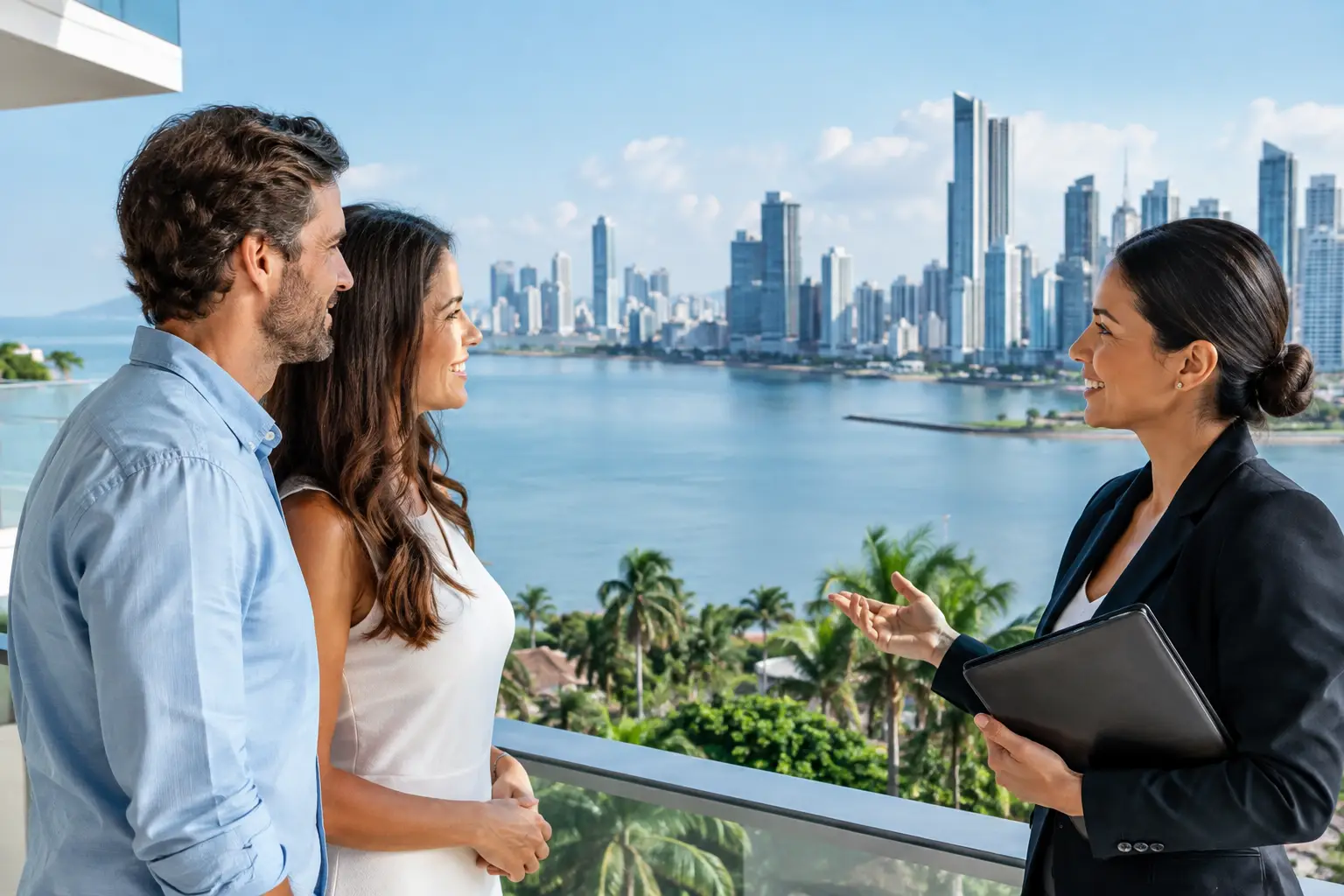
A view in Boquete, a cooler climate in Tierras Altas, or land with rental potential near David can make a Panama purchase feel immediate. For Panama foreign buyers, however, the strongest decisions are made before an offer is written. The property itself matters, but so do title history, access, zoning, taxes, ownership structure, and the people guiding the transaction on the ground.
Foreign buyers generally enjoy many of the same property rights as Panamanian citizens. That is a major reason Panama remains attractive to retirees, families relocating from the United States, and investors looking for a home, land, or income-producing asset. Equal treatment does not mean every property carries the same level of opportunity or risk. A clear process, local verification, and practical expectations protect both the purchase and the years of ownership that follow.
Panama Foreign Buyers Have Broad Ownership Rights
In most cases, a foreign individual can buy titled real estate in Panama in their own name. A foreign-owned corporation may also acquire property. The best ownership structure depends on the buyer’s estate planning, liability, family, financing, and future resale considerations. There is no single structure that fits every buyer, and legal advice should be specific to the transaction rather than borrowed from a friend or online forum.
The distinction between titled property and Rights of Possession is especially important. Titled property is recorded in Panama’s Public Registry and offers a defined legal ownership record. Rights of Possession, often called ROP, describes a possessory interest that may be transferable but is not the same as registered title. Some ROP opportunities can be appealing because of location or price, yet they require a more cautious review of possession history, boundaries, improvements, government status, and the path, if any, toward title.
For a first purchase, many international clients prefer a clean, registered title because it makes the transaction easier to verify, insure where applicable, finance in limited cases, and sell later. That does not make every ROP property unsuitable. It means the buyer should understand exactly what is being acquired and why the discount or premium exists.
Certain locations call for additional attention. Properties near international borders, coastal areas, islands, indigenous territories, or protected land can be subject to particular restrictions, concession arrangements, or permitting questions. This is highly relevant in a province as diverse as Chiriquí. A property marketed as close to the beach, the Costa Rican border, or a mountain reserve deserves a document-driven review, not an assumption based on the listing description.
Due Diligence Is Where Good Purchases Are Made
A beautiful house can have an unclear access road. Productive land can have water limitations. A condominium can have monthly fees that change the real cost of ownership. These are not reasons to avoid Panama real estate. They are reasons to investigate it professionally.
The due-diligence process should begin with the registered ownership record. A qualified Panamanian attorney can confirm the seller, review the title chain, identify mortgages or liens, check legal descriptions, and examine whether the property is properly registered. The legal description should be compared with the physical property. On larger parcels, a surveyor may be needed to confirm boundaries, acreage, easements, and access.
Access is often underestimated by buyers who are accustomed to clearly maintained public roads. In rural Chiriquí, it is essential to establish whether access is public, private, shared, or dependent on a recorded easement. A driveway used for years is not automatically a legally protected right of access. The same principle applies to utilities. Ask how water reaches the property, who manages it, whether electricity is connected, what internet options are genuinely available, and whether septic systems or wells meet local requirements.
For buyers seeking rental income, financial due diligence should be as thorough as legal due diligence. Review actual rental history when available, not simply projected nightly rates. Consider occupancy patterns, management costs, maintenance, insurance, furnishing, taxes, and the time required to operate a vacation or long-term rental. Boquete may offer strong demand from visitors and residents, while David can offer a different tenant profile shaped by business, healthcare, education, and regional commerce. The best market depends on your investment objective.
Understand the Full Cost Before You Commit
The asking price is only one number in the purchase. Panama transactions may involve transfer taxes, capital gains tax considerations for the seller, legal fees, Public Registry costs, notary expenses, escrow fees, inspections, surveys, and corporation-related costs if a company is used. Contract terms determine how some costs are allocated, so buyers should review the proposed structure before making decisions based on a headline price.
Property taxes also deserve a careful look. Panama has tax rules and exemptions that may apply differently depending on the property, its assessed value, improvements, and status. A buyer should confirm current tax payments, any exemptions claimed, and whether the property will be reassessed or treated differently after the transfer.
Cash purchases are common, but they are not informal purchases. Banks and escrow providers will typically require documentation showing the source of funds. International buyers should prepare early with bank statements, employment or business records, sale documents, and other materials that explain the origin of the purchase money. A delayed compliance review can postpone a closing even when buyer and seller are ready to proceed.
Choose the Right Area for the Life You Want
Chiriquí is not one market. It is a region of distinct climates, lifestyles, price points, and investment cases. Buying well begins with matching the location to how you plan to use the property.
Boquete appeals to buyers who value mountain weather, an established international community, restaurants, services, and a lively residential market. It can be an excellent choice for a primary residence, retirement home, or well-positioned rental, though desirable inventory often commands a premium.
Tierras Altas offers a higher-elevation environment, cooler temperatures, agricultural character, and dramatic mountain scenery. It may suit buyers seeking larger parcels, privacy, or a climate unlike the tropical lowlands. The trade-off can be distance from certain services, more variable road conditions, and a need to understand agricultural land use.
David is Chiriquí’s commercial center. Buyers often choose it for practical access to hospitals, shopping, schools, the airport, and a broad range of year-round services. For investors, its stable local economy can support conventional long-term rental demand. It may not provide the resort feeling of a mountain village, but convenience has real value.
Puerto Armuelles and the surrounding coastal corridor offer another equation: warm weather, proximity to the ocean, and potential for buyers who want a quieter Pacific-side setting. Here, careful review of title, infrastructure, access, and any location-specific restrictions becomes even more important. A lower entry price does not replace due diligence.
Build a Team That Stays With You Past Closing
Buying abroad should never feel like being handed keys and left to solve everything else alone. A capable local team includes an experienced real estate advisor, an independent attorney, and, when needed, a surveyor, inspector, accountant, contractor, property manager, or rental specialist. Each professional has a different role. The advisor helps evaluate the market and property fit, while the attorney protects the legal transaction.
The right real estate guidance is personal. It means asking whether a hillside home will be comfortable in rainy season, whether a rental projection reflects the actual neighborhood, and whether a rural parcel has the access and water needed for your plan. It also means being candid when a property is not the right one, even if it looks attractive on a first visit.
For remote owners, support after closing can be as valuable as the negotiation itself. Property oversight, bill payment coordination, tenant communication, rental collection, maintenance scheduling, and periodic inspections all help protect an investment when the owner is outside Panama. Nikolai Candanedo brings decades of regional market knowledge to that full ownership journey, from the first property conversation to practical support after purchase.
Questions to Answer Before Making an Offer
Before an offer is prepared, be able to answer a few direct questions: Will this be a home, a rental, a land hold, or a combination of those uses? Do you need clear title only, or are you prepared for the added work associated with an ROP property? What is your all-in budget after closing and initial improvements? And who will manage the property when you are not in Chiriquí?
The answers shape the search far more effectively than a price range alone. They help identify whether you need town convenience in David, mountain living in Boquete or Tierras Altas, coastal surroundings near Puerto Armuelles, or a more specialized land opportunity.
A Panama property can become a home, a source of income, or a long-term family asset. Give the decision the local attention it deserves, and let the property prove its value through documents, numbers, and real-world conditions before you ask it to carry your future plans.

Leave a Reply